
Confidence Regained: Navigating "Ozempic Face" and Skin Health After Weight Loss
Losing weight is a monumental achievement for your health. Medications like Mounjaro and Wegovy have truly changed the landscape of medical weight loss in the UK, helping many of my patients in Wimborne reclaim their energy and long-term vitality.
However, there is a side effect I’m seeing more frequently in the clinic: the "Ozempic Face." While that's a catchy online term, the reality is more personal. It’s that moment you look in the mirror and realize that while your body feels lighter, your face looks a little more tired, hollow, or "drawn" than you expected.
If you’ve noticed volume loss or looser skin after your weight loss journey, please know this: It is a natural part of the process, and we can restore that glow safely.
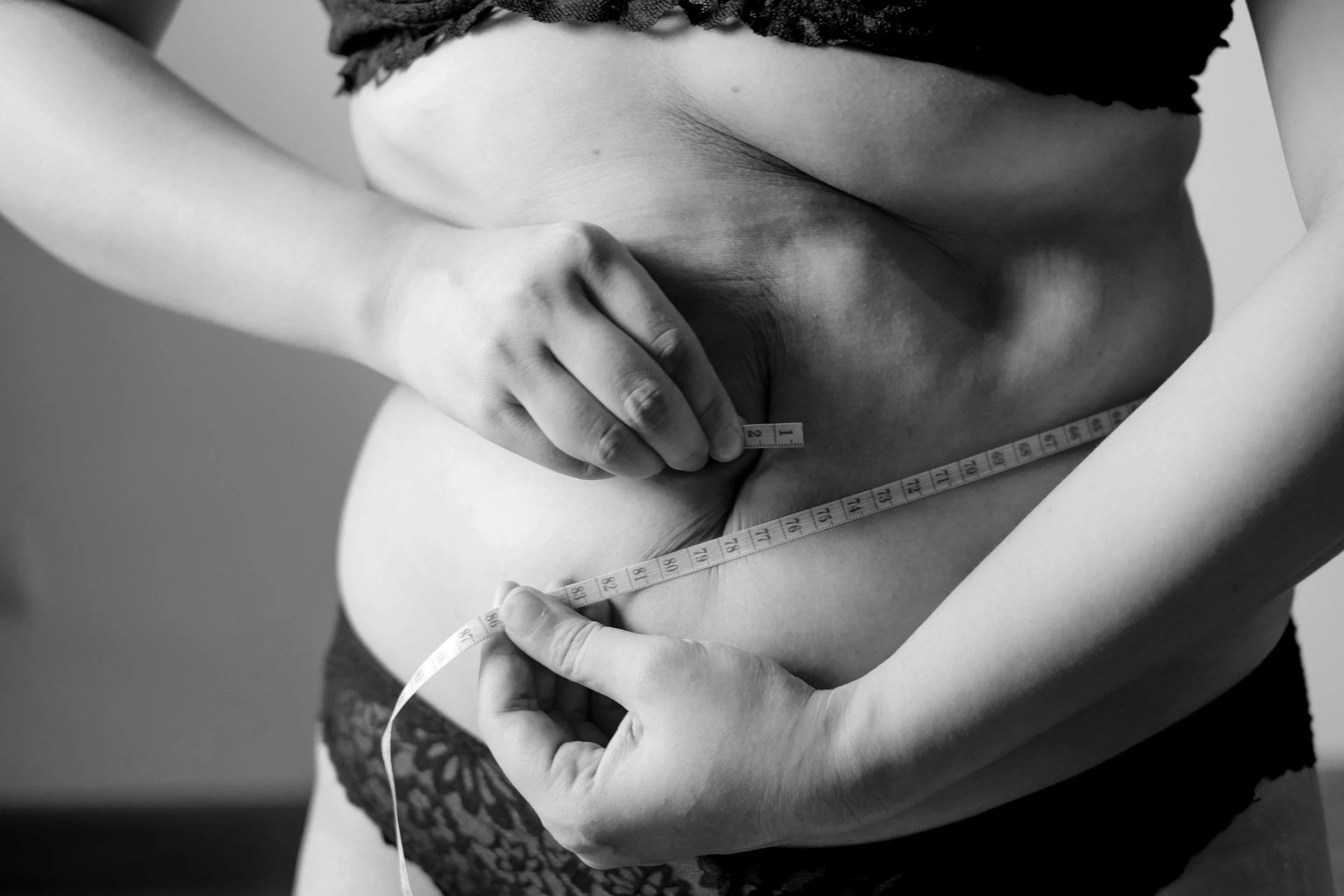
What exactly is "Ozempic Face"?
"Ozempic face" isn't a medical condition caused by the medication itself. Whether you are using Mounjaro (tirzepatide), Wegovy (semaglutide), or Saxenda, these treatments reduce fat throughout the entire body. Unfortunately, our faces often lose that "youthful" fat first.
As a GP, I often explain to my patients that when facial fat decreases rapidly, the skin can struggle to "shrink back" to fit your new, slimmer contours. This can lead to:
Hollowed temples or cheeks that make you look more tired than you feel.
"Crepey" or thin skin, especially around the eyes and jawline.
Increased shadows under the eyes.
Why does my skin look different now?
Our skin stays firm thanks to a "scaffold" of collagen, elastin, and fat. From our mid-30s, our collagen production naturally dips. When you add rapid weight loss to that, the scaffold disappears faster than the skin can adapt.
This is why so many people are currently searching for "skin tightening after weight loss" or "Ozempic face treatment UK." Your skin just needs a little help remembering how to be firm again.
The Best Aesthetic Treatments for Post-Weight Loss Rejuvenation
1. Polynucleotides: The Regenerative Hero
If you want to look refreshed without looking "done," Polynucleotides are my first choice. Unlike fillers, they don't add volume. Instead, they act as "biological instructions," telling your skin cells to repair themselves and produce fresh collagen.
Best for: Smoothing "crepey" skin and tightening the under-eye area.
The Result: A naturally firmer, healthier-looking complexion.
2. Skin Boosters: The "Internal Moisturiser."
Weight loss can often leave skin looking dull or "flat." Skin boosters are injectable hydration treatments that restore lost radiance.
Best for: Dehydrated skin and fine lines.
The Result: That "lit-from-within" glow that makes people say, "You look well," rather than "What have you had done?"
3. Subtle Dermal Fillers: Restoring the Scaffold
Sometimes, the hollowing in the cheeks or temples needs a bit of structural support.
My Approach: I use a conservative, "medical-first" technique. We aren't changing your face; we are simply replacing the volume you’ve lost to soften those hollows and redefine your jawline.
Timing Your Treatment: When is the right time?
I always advise my patients to wait until their weight has stabilised before starting a full facial rejuvenation plan. Treating the face while you are still in the middle of rapid fat loss can sometimes mean needing more adjustments later. However, regenerative treatments like polynucleotides can often be started earlier to support the skin's health throughout the journey.
A Doctor-Led Approach in Wimborne
Your weight loss journey is a medical one, and your aesthetic journey should be treated with the same clinical care. At Restore, we don't chase trends—we focus on your anatomy and your confidence.
Are you noticing changes in your skin after Mounjaro or Wegovy? If you’re looking for facial rejuvenation after weight loss or want to discuss skin boosters in Wimborne, I would love to help you find a natural path forward.
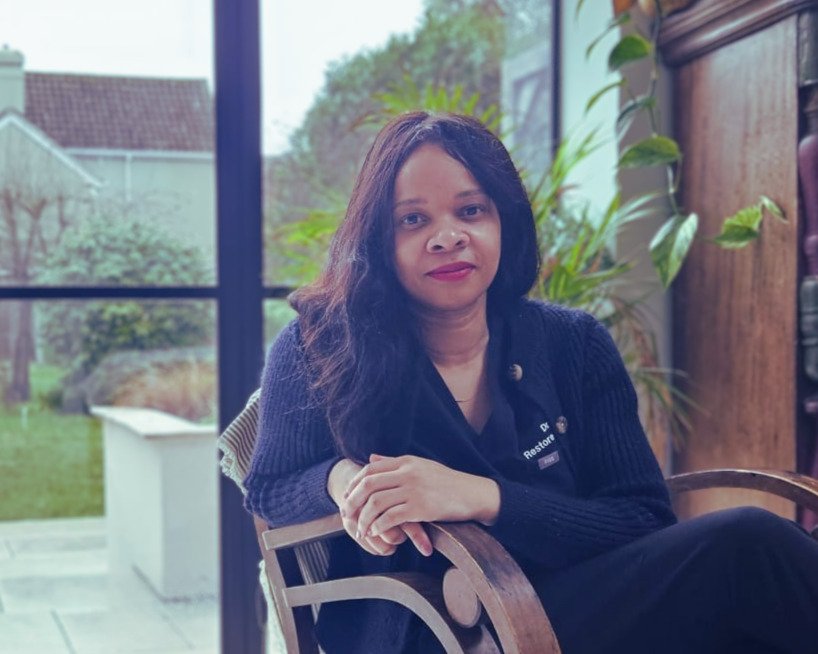
Written & Medically Reviewed by Dr Chi Metcalfe
MBBS, MRCP, MRCPG, GMC-Registered General Practitioner & Aesthetic Doctor
Dr Chi Metcalfe has over 15 years of NHS medical experience and is the founder and lead clinician at Restore Skin Clinic in Wimborne, Dorset. She specialises in natural biostimulatory aesthetics, minor dermatology, and evidence-based skin rejuvenation.
